Spark Runner: Mechanical World
Reviews
Description
Core Gameplay Loop
Players guide a small mechanical protagonist through a series of side-scrolling environments. Each stage presents a series of barriers, moving obstacles, and environmental challenges that must be navigated to reach the end point. The primary objective involves locating and collecting scattered energy units hidden throughout the level. Successfully gathering all units and reaching the exit unlocks the next area. The game emphasizes careful timing and precise movement rather than speed, rewarding patience and observation.
Obstacle Design and Patterns
Levels feature a variety of hazards including moving barriers, gaps in the terrain, and environmental elements that require careful navigation. Each obstacle follows a consistent pattern, allowing players to learn and anticipate movements. This design encourages a methodical approach where players watch the environment before proceeding. The difficulty increases gradually, introducing new obstacle types in later stages while maintaining a fair learning curve. Beginners can progress without frustration, while experienced players will find satisfaction in mastering the timing required for more complex sections.
Visual Style and Theme
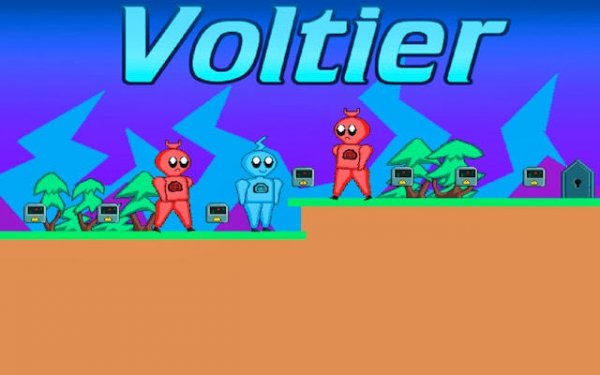
The game presents a vibrant 2D world with a mechanical aesthetic. Characters and environments are designed with bright colors and clear shapes, making obstacles and collectibles easy to identify. The machine theme is reflected in the design of the protagonist and the various barriers encountered throughout the adventure. This visual approach creates a welcoming atmosphere suitable for younger players while maintaining enough detail to engage older audiences. The art style supports the gameplay by ensuring that important elements stand out against the background.
Progression and Replay Value
As players advance, they encounter stages that build upon previously learned skills. The gradual introduction of new challenges keeps the experience fresh without overwhelming the player. Each level can be completed in a short session, making the game suitable for quick play periods. The collection of energy units provides a clear goal for each stage, and the satisfaction of fully restoring power to an area encourages replaying earlier levels to improve performance. The straightforward progression system means players can focus on the platforming action without complex menus or upgrades.






Player Comments
Sign in to comment
You must be logged in before posting a review or rating.
No account? Create one
No comments yet. Be the first to comment!